

Retaining Wall Installation in Oakland County
Structural and decorative retaining walls engineered for Michigan's demanding soil and climate conditions.
Retaining Walls Built for Michigan Soil
Retaining walls solve grade changes, prevent erosion, and create usable flat areas on sloped properties. In Oakland County, where clay-heavy soils and seasonal freeze-thaw cycles put enormous pressure on wall structures, proper engineering is not optional.
Earth Art Landscaping has been building retaining walls across Oakland County for 39 years. We understand the specific soil conditions, water table levels, and frost depths that determine whether a wall stands for decades or fails within a few years. Our walls are built with proper drainage, adequate footings, and materials selected for Michigan's climate.
As a Techo-Pro certified installer since 2018, we also offer Techo-Bloc's premium wall systems for projects where aesthetics matter as much as structural integrity. Whether you need a massive boulder wall to hold back a hillside or an elegant seat wall to define your patio, we engineer every wall for long-term performance.
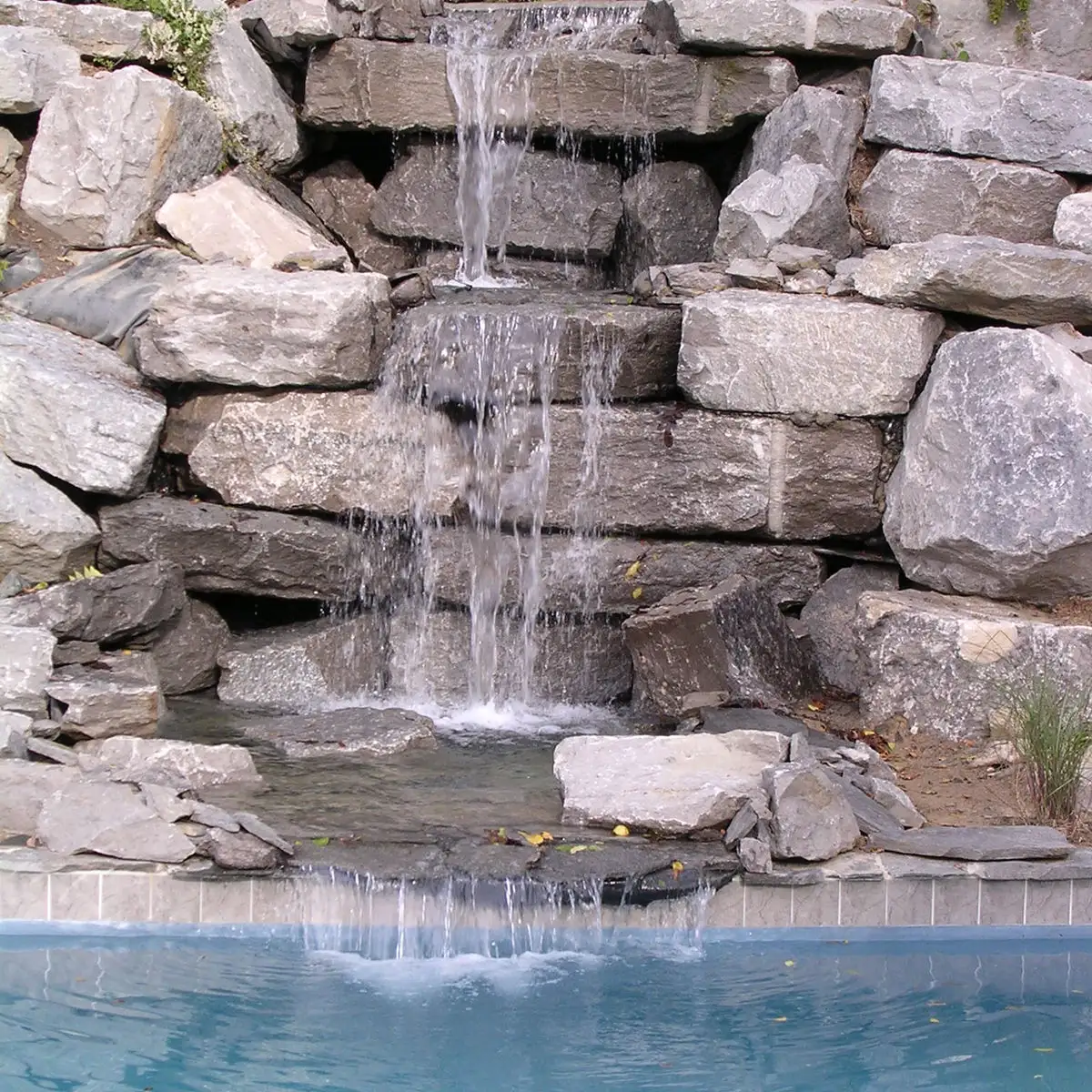
Retaining Wall Types We Install
Each wall type has specific advantages depending on your site conditions, aesthetic goals, and budget.
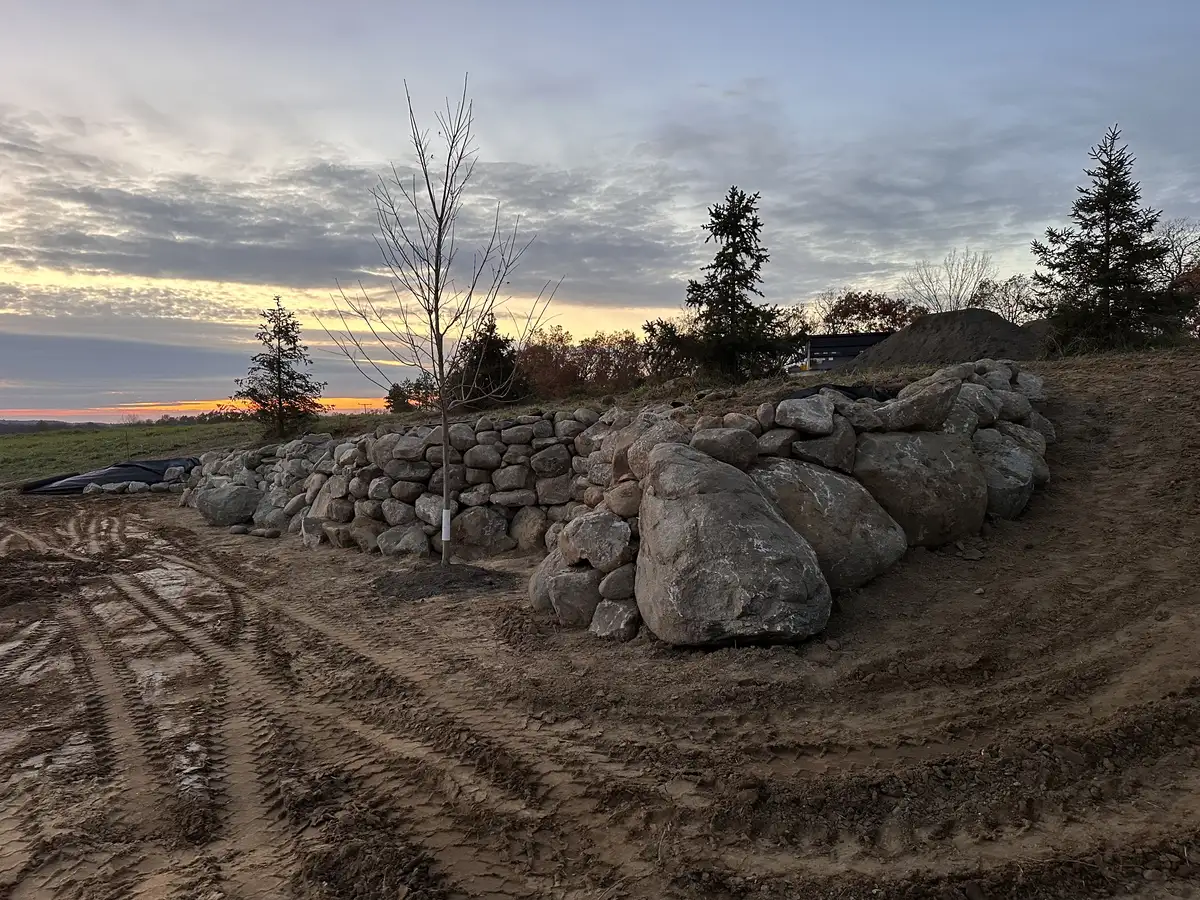
Boulder Walls
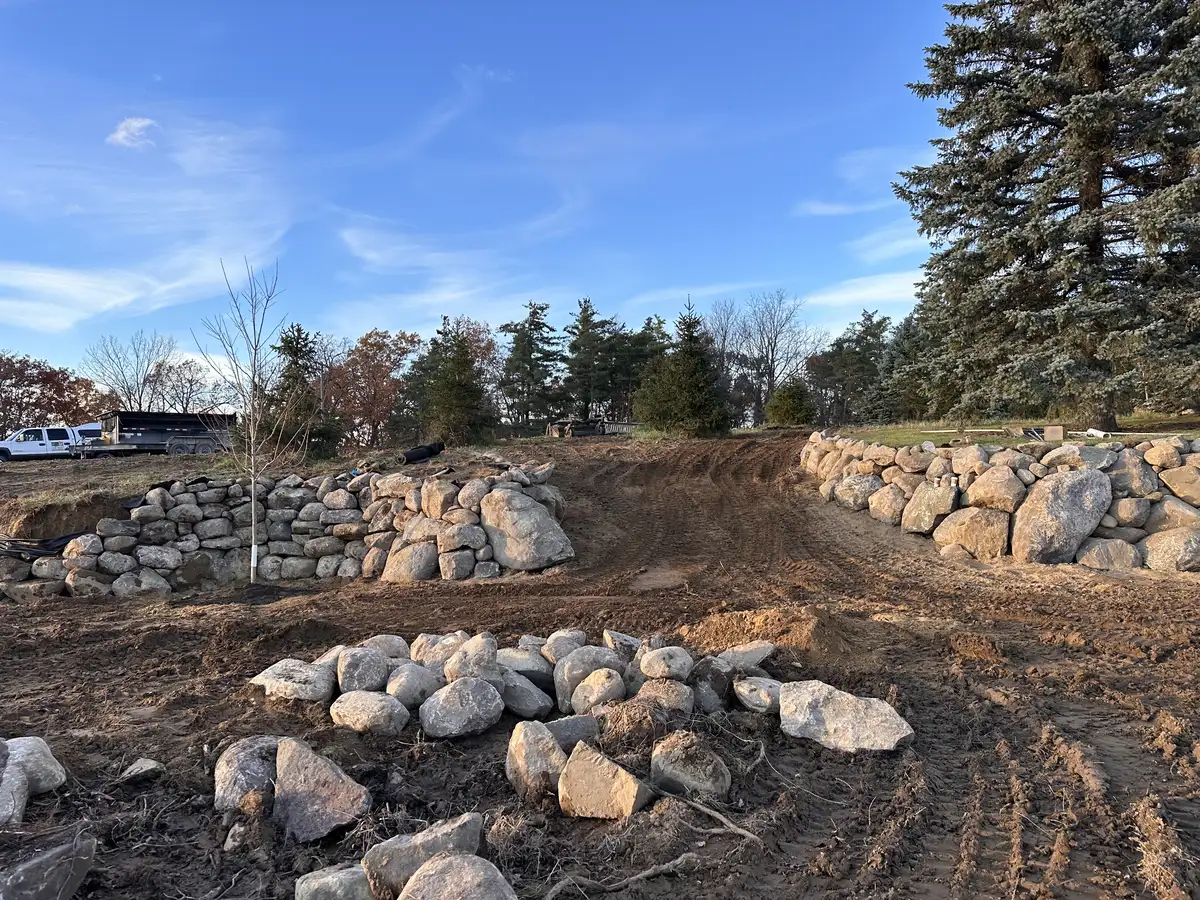
Natural boulder retaining walls create a rugged, organic appearance that blends with Michigan's natural landscape. Individual boulders weighing 500 to 3,000+ pounds are set with precision using heavy equipment. Boulder walls are ideal for large grade changes and naturalistic designs. They require no mortar and allow natural drainage between stones.
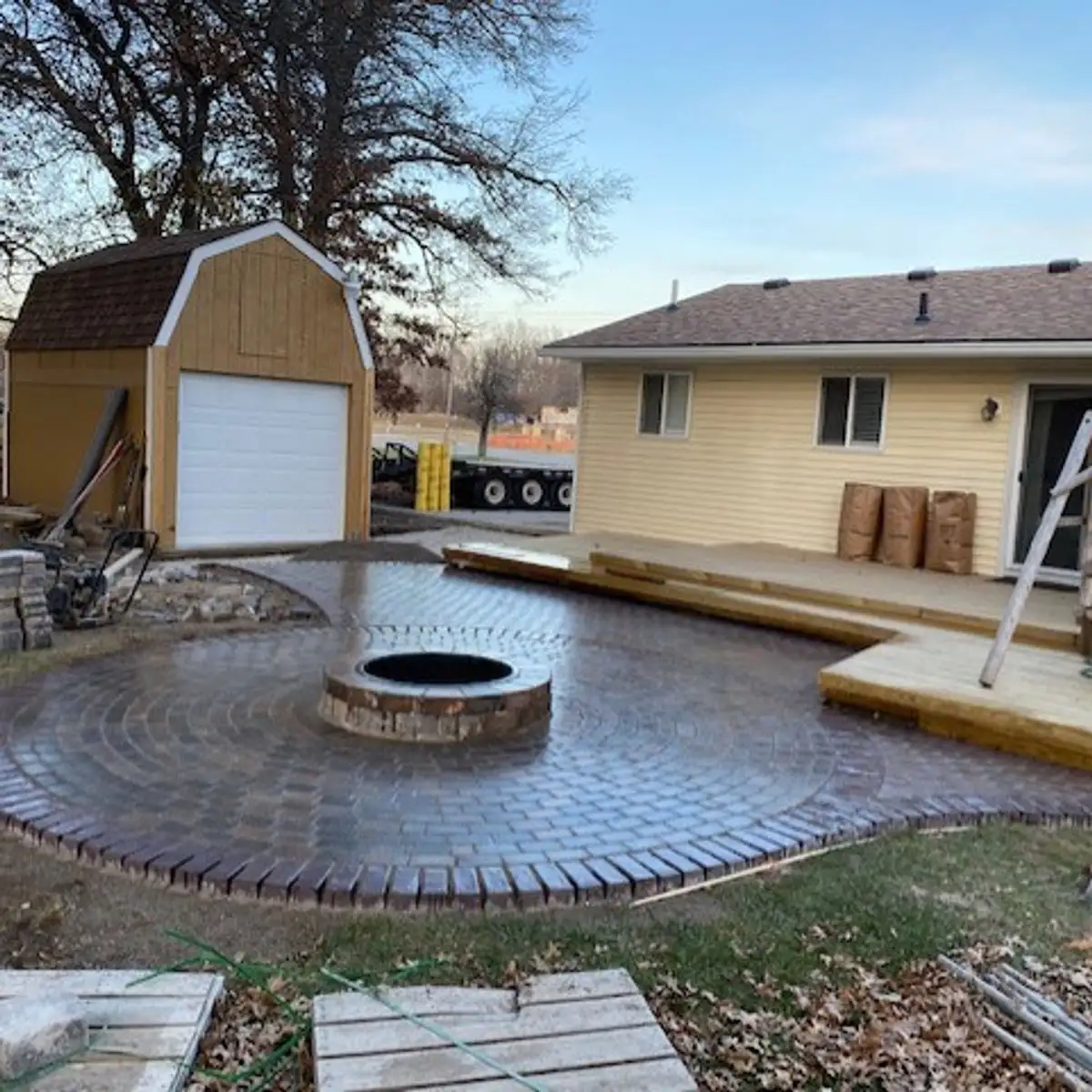
Techo-Bloc Walls
Techo-Bloc's engineered wall systems deliver clean lines, uniform color, and structural reliability. Products like the Mini-Creta and Para are designed as gravity walls that interlock for stability. As a Techo-Pro certified installer, our Techo-Bloc walls carry an extended product warranty and meet the manufacturer's highest installation standards.
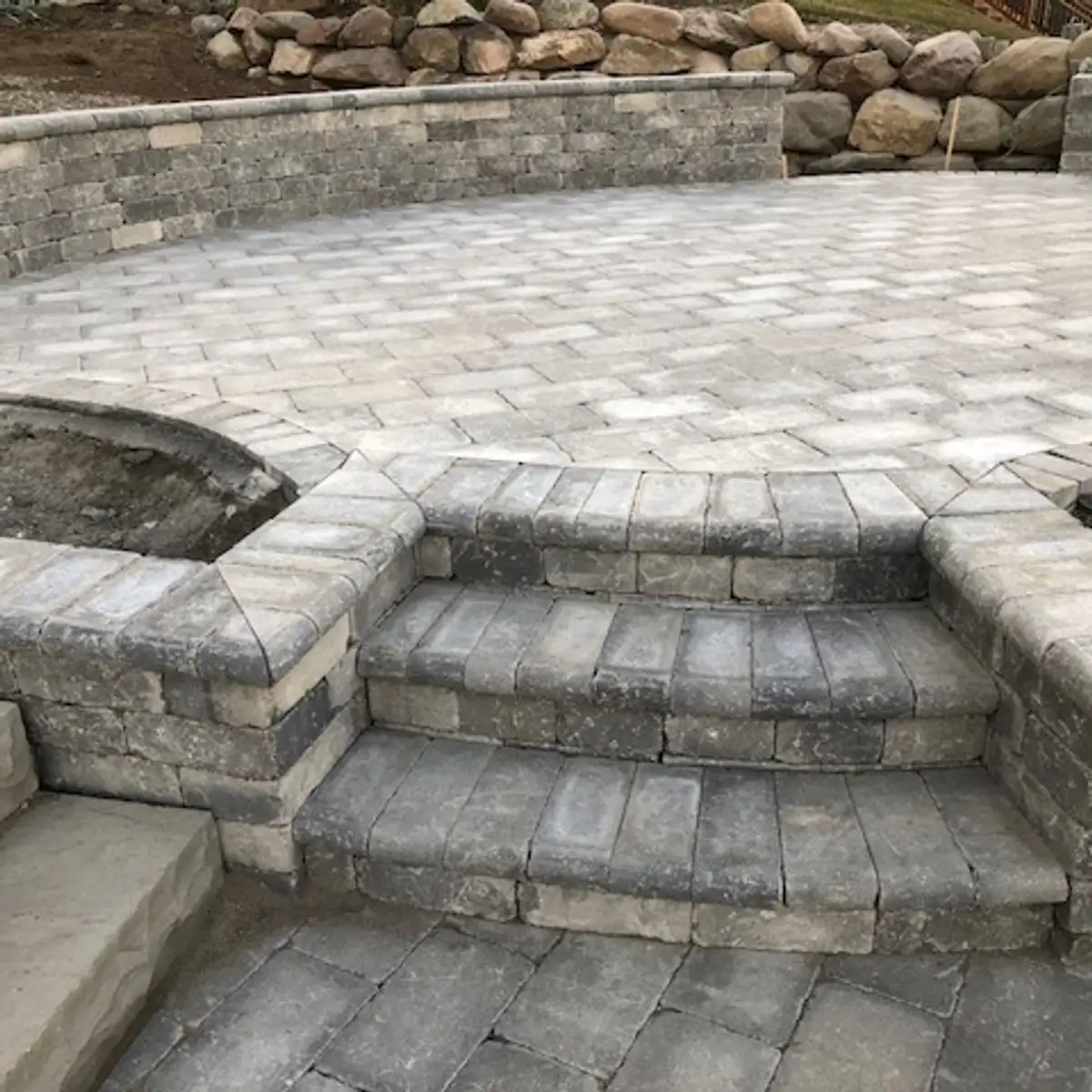
Natural Stone Walls
Cut natural stone walls offer a timeless, high-end appearance. We work with Michigan limestone, granite, and bluestone to create walls that complement the architectural style of your home. Natural stone can be dry-stacked for a traditional look or mortared for maximum structural integrity on taller walls.
Segmental Block Walls
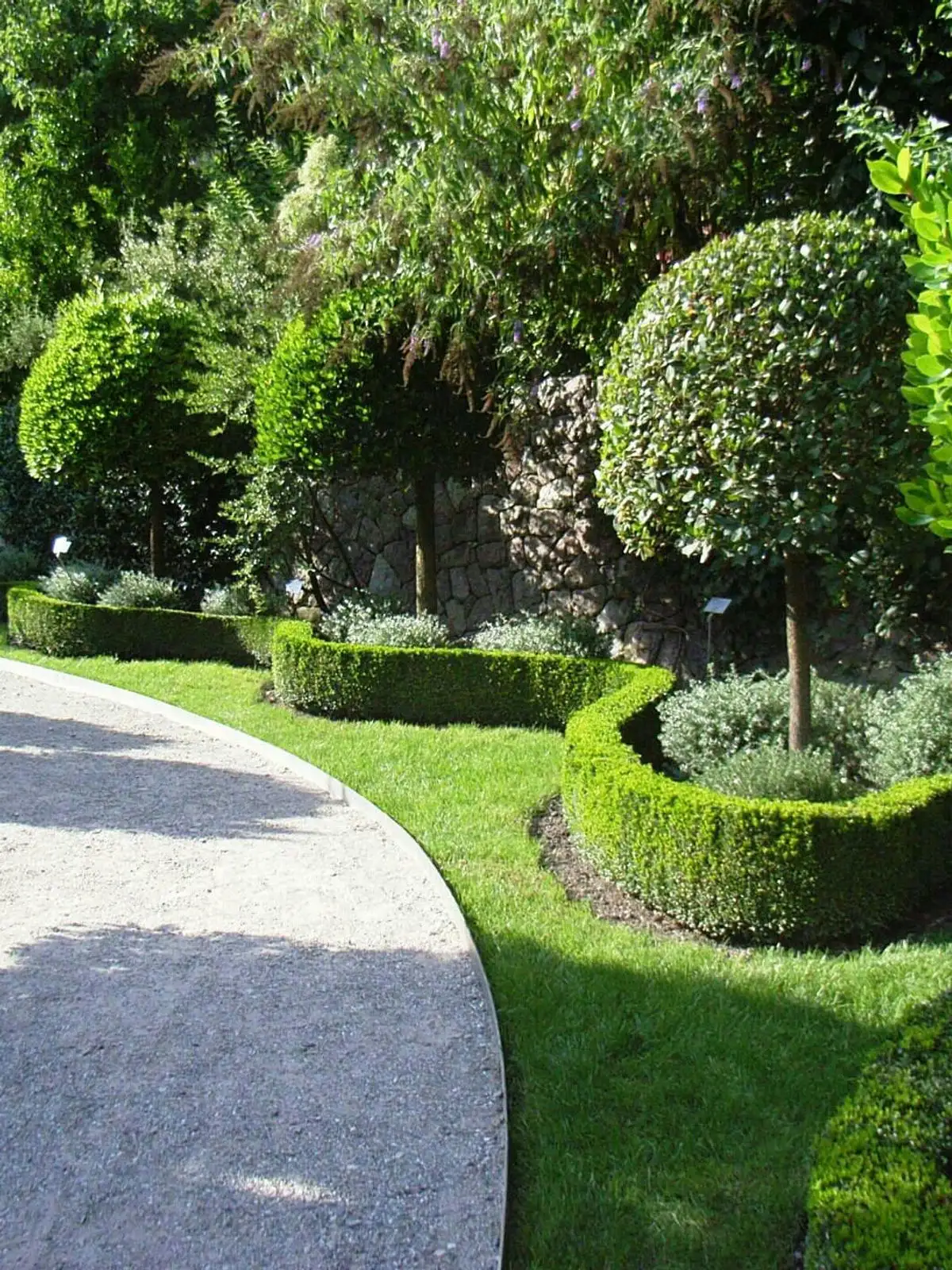
Manufactured segmental retaining wall blocks provide consistent sizing, reliable structural performance, and a range of color and texture options. These systems use an interlocking design with geogrid reinforcement for walls exceeding 4 feet. They are an excellent balance of cost, durability, and visual appeal.
Boulder & Block Wall Gallery
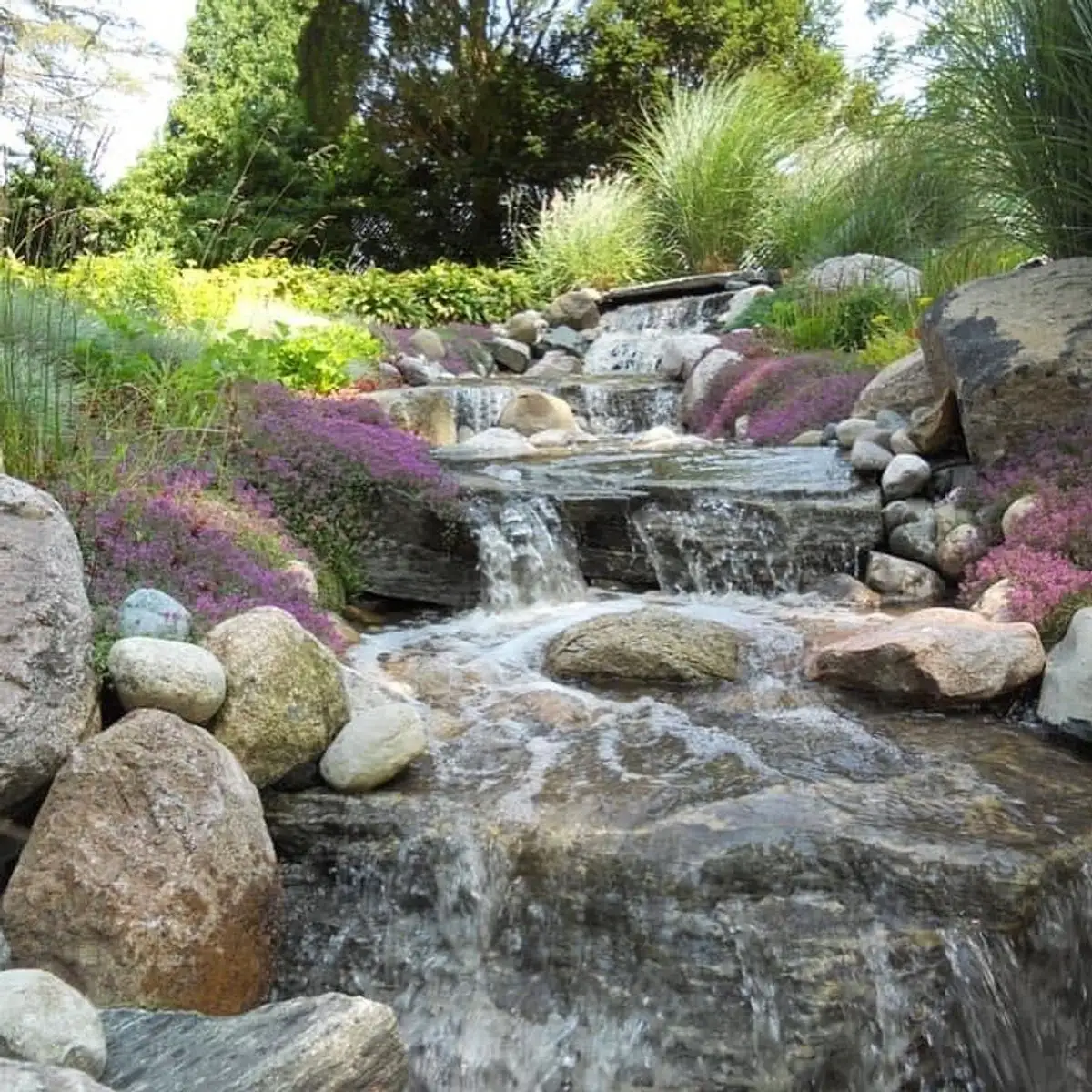
Recent retaining wall installations across Oakland County — boulder walls, Techo-Bloc systems, and natural stone.
Wall Type Comparison
Compare materials to find the best fit for your project scope and budget.
| Wall Type | Cost per Sq Ft (Face) | Max Height | Best For | Lifespan |
|---|---|---|---|---|
| Boulder | $25-$50 | 6-10 ft | Natural settings, large grade changes | 50+ years |
| Techo-Bloc | $30-$55 | 4-6 ft (gravity) | Patios, seat walls, refined aesthetics | 25+ years |
| Natural Stone | $35-$65 | 4-8 ft | Premium homes, architectural accent | 50+ years |
| Segmental Block | $20-$40 | 6-15 ft (with geogrid) | Tall walls, commercial, budget-friendly | 30+ years |
Pricing includes materials, base preparation, drainage, and installation. Heights exceeding 4 feet may require engineering review and permits in some Oakland County municipalities.
Why Engineering Matters in Oakland County
A retaining wall failure is not just an aesthetic problem. It is a safety hazard and a financial loss. Oakland County's soil and climate create specific challenges that demand proper engineering for every wall project.
Clay Soil Pressure
Oakland County soils are predominantly heavy clay, which expands when wet and contracts when dry. This creates lateral pressure against wall structures that exceeds what lighter soils produce. We calculate soil load based on actual site conditions, not generic tables, and design wall footings and drainage accordingly.
Frost Depth Compliance
Michigan's frost depth reaches 42 inches in Oakland County. Wall footings must extend below this depth to prevent frost heave from lifting and tilting the structure. Every Earth Art retaining wall is built on a compacted gravel base that extends to or below the frost line.
Drainage Behind the Wall
Water pressure behind a retaining wall is the number one cause of wall failure. We install perforated drain tile at the base of every wall, wrapped in filter fabric, with a minimum of 12 inches of clean gravel backfill. This drainage system channels groundwater away from the wall structure before pressure can build.
Permits and Inspections
Most Oakland County municipalities require building permits for retaining walls over 4 feet in height. Walls near property lines, public sidewalks, or utility easements may have additional requirements. We handle all permit applications, engineering documentation, and inspection scheduling as part of our project management.
Retaining Wall FAQ
A retaining wall is needed when your property has a slope that causes erosion, limits usable space, or directs water toward your foundation. Signs you may need a wall include: soil washing away during rain, a slope steeper than 3:1 (horizontal to vertical), pooling water near your foundation, or a desire to create level terraced areas on a sloped lot. We provide free on-site assessments to determine whether a wall is the right solution.
Small walls under 3 feet typically take 2-4 days. Medium walls (3-5 feet, 30-60 linear feet) take 5-10 days. Large walls exceeding 5 feet or requiring geogrid reinforcement and engineering can take 2-4 weeks. Weather, site access, and soil conditions in Oakland County can affect timelines. We provide a detailed project schedule during the estimate phase.
The three most common causes of retaining wall failure are: inadequate drainage (water pressure builds behind the wall and pushes it over), insufficient footing depth (frost heave lifts the base during Michigan winters), and poor backfill material (clay backfill retains water instead of draining it). All three are preventable with proper installation methods, which is why choosing an experienced contractor matters. Every Earth Art wall addresses all three failure points.
It depends on the extent of the damage. Minor issues like displaced cap stones or surface cracks can be repaired. However, walls that have tilted more than 2 inches, developed a significant bulge, or show base-level failure usually need to be rebuilt. Rebuilding gives us the opportunity to install proper drainage and footings, which were likely missing from the original installation. We assess existing walls for free and provide honest recommendations.
Need a Retaining Wall? Get a Free Assessment
We will evaluate your grade change, soil conditions, and drainage needs, then recommend the best wall type and provide a detailed estimate.